Butyl Rubber Applications: An Industry-by-Industry Overview

Where is butyl rubber used, and why? This beginner-friendly overview maps the most common butyl rubber applications across automotive, construction, electronics, solar, and general industry — and explains in plain language why butyl is chosen for each, from airtight tire liners to long-life waterproof seals.
What Makes Butyl Rubber So Widely Used?
Butyl rubber is one of those materials that quietly does its job in thousands of products most people never think about — from the inner liner of a car tire to the seal around a window. If you have ever wondered where butyl rubber is used and why, the short answer is that no other elastomer combines its three signature traits so affordably: an exceptional barrier to air and moisture, excellent vibration damping, and the ability to stay flexible for decades.

Understanding these traits explains every application that follows. Butyl rubber's molecular structure is unusually "tight," giving it the lowest gas permeability of any common rubber. It also dissipates vibration energy as heat, and it resists ozone, UV, and weathering far better than natural rubber. Put simply, when an engineer needs something sealed, quieted, or kept dry for a very long time, butyl is the default answer.
- Airtight & watertight — Extremely low permeability to air, gas, and water vapor. This is why tires and seals rely on it.
- Vibration damping — Converts mechanical vibration into heat, reducing noise (NVH) in vehicles and appliances.
- Weather & chemical resistance — Shrugs off ozone, UV, and many chemicals, so it lasts outdoors for years.
- Stays flexible — Works from roughly -40°C to +120°C without cracking, conforming to surfaces as they move.
With that foundation, let us walk through the industries that depend on butyl rubber every day — and what form it takes in each.
Industry-by-Industry: Where Butyl Rubber Shows Up
Butyl rubber rarely appears as a finished consumer product on its own. Instead, it is supplied as a compound (the raw sealing material) or converted into tape, sheet, and damping pads that are built into larger assemblies. Here is a clear, at-a-glance map of the major industries and how each one uses it.

| Industry | Typical Butyl Application | Why Butyl Is Chosen |
|---|---|---|
| Automotive | Tire inner liners, headlamp sealing, body-panel NVH damping | Air-tightness, vibration damping, durability |
| Construction | Window-frame tape, roof & waterproof membranes, joint sealing | Long-life waterproofing, weather resistance |
| Electronics | Cable joint insulation, enclosure sealing, moisture barriers | Insulation, low moisture permeability |
| Solar / Energy | PV module edge sealing, junction-box potting | 20-25 year weatherproof barrier, UV resistance |
| HVAC & Appliances | Duct sealing, compressor and drum damping | Air sealing, noise reduction |
| Industrial / General | Gaskets, anti-corrosion wraps, equipment isolation pads | Chemical resistance, conformability |
A few of these deserve a closer look because they show the breadth of the material:
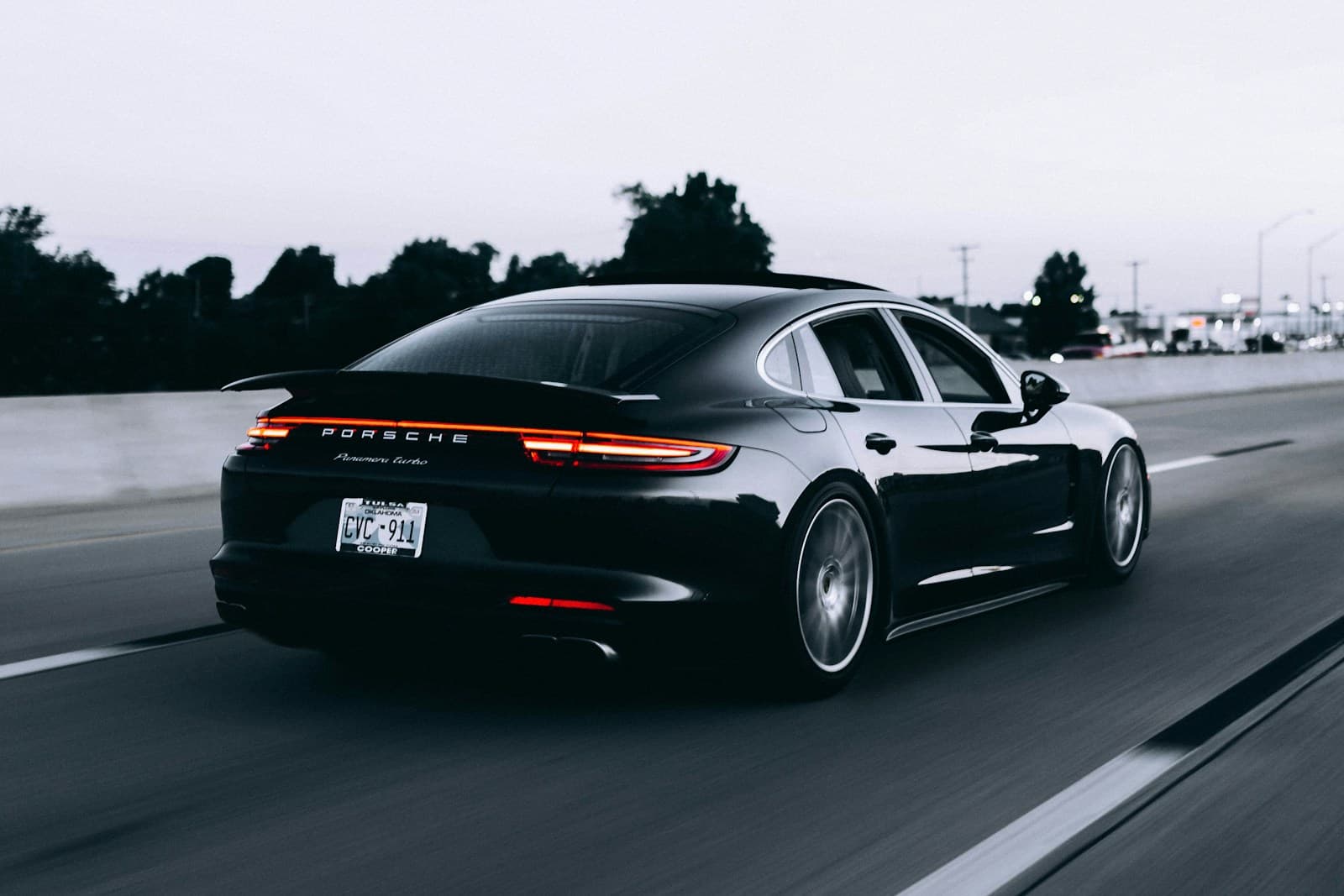
- Automotive — Beyond the well-known tire liner, butyl seals headlamp and tail-lamp housings against moisture and is applied as damping pads to roof, floor, and door panels to cut cabin noise. This is the highest-volume, most quality-critical use, which is why butyl suppliers to OEMs like Hyundai, Kia, and GM work under IATF 16949.
- Construction — Self-adhesive butyl tape and membranes waterproof window perimeters, roof seams, and below-grade structures, sealing without heat or primer and lasting decades.
- Electronics & solar — Butyl's low moisture permeability protects sensitive circuits and seals the edges of photovoltaic modules, where a failed seal can mean a 25-year warranty problem.
Many of these industries start from the same raw material: a high-quality butyl compound formulated for sealing and damping.
Related Product
Butyl Compound — Core Sealing & Damping Raw Material
-40°C to +120°C, custom grades for automotive, construction, and electronics
Choosing the Right Butyl Form for Your Industry
Once you know butyl is the right material, the next question is which form to specify. The same butyl chemistry is delivered in several formats, each suited to a different job. Picking the right one is the difference between an easy installation and a frustrating one.
- Butyl compound — The raw, high-viscosity sealing material. Chosen by manufacturers who convert it into their own tapes, sheets, sealants, or potting compounds. Maximum formulation flexibility.
- Butyl tape — Ready-to-apply rolls with a peel liner. Ideal for window frames, roofing joints, RV and automotive sealing, and any field application that needs a fast, no-primer seal.
- Butyl sheet / membrane — Large-format waterproofing for roofs, basements, and below-grade construction.
- Damping pads — Die-cut butyl pads bonded to panels to reduce automotive and appliance NVH (noise, vibration, harshness).
A simple way to decide:
- Are you a manufacturer building butyl into your own product? Specify the compound and tune the grade to your process.
- Do you need to seal a joint, frame, or seam in the field? Use butyl tape — no heat, no primer, instant seal.
- Are you waterproofing a large flat area? Use butyl sheet or membrane.
- Are you fighting noise or vibration on a metal panel? Use a damping pad.
Across all four forms, the quality that matters most for industrial buyers is batch-to-batch consistency — a lot of butyl that performs the same way every time, backed by a Certificate of Analysis. This is especially true for automotive and solar programs where a single bad batch can trigger a field failure years later.
For field sealing across construction and automotive jobs, ready-to-apply butyl tape is the fastest way to get a reliable seal.
Related Product
Butyl Tape — Self-Adhesive, No Primer Required
Widths 15–300 mm, construction and automotive sealing, IATF 16949 certified
FAQ: Butyl Rubber Applications
Q: What is butyl rubber most commonly used for?
A: The single largest use is tire inner liners, where butyl's airtightness keeps tires inflated. Beyond that, the most common applications are sealing and waterproofing (window frames, roofs, lamps, electronics) and vibration damping in vehicles and appliances. In short, anything that needs to be kept airtight, watertight, or quiet.
Q: Why is butyl rubber chosen over other rubbers for sealing?
A: Butyl has the lowest gas and moisture permeability of any common rubber, and it stays flexible from about -40°C to +120°C while resisting ozone and UV. Other rubbers may be cheaper or stronger mechanically, but few match butyl's combination of barrier performance, weatherability, and long service life for sealing tasks.
Q: Is butyl rubber used in the automotive industry specifically?
A: Yes, extensively. It is used in tire inner liners, headlamp and tail-lamp sealing, and as damping pads on body panels to reduce cabin noise (NVH). Because these are quality-critical, automotive butyl is typically produced under IATF 16949; Garmy supplies Hyundai, Kia, and GM under this standard.
Q: Can the same butyl material be used across different industries?
A: The base butyl chemistry is similar, but the grade is tuned for each application — viscosity, color, adhesion, and additives differ between, say, an automotive damping pad and a construction waterproofing membrane. A good supplier offers multiple grades (such as HY-1, CN-FR, SD-1, S-3) so the material matches the job.
Q: How long does butyl rubber last in outdoor applications?
A: With UV-stabilized grades, butyl seals routinely last many years outdoors — which is why it is trusted for 20-25 year solar module seals and long-life building waterproofing. Its resistance to ozone, UV, and weathering is a key reason it outlasts most alternatives in exposed conditions.
Ready to find the right butyl material for your industry and application?
Get in Touch
Custom Quote · Sample Request · Technical Inquiry
25+ years of butyl rubber expertise and IATF 16949 quality to match the right grade and form to your application.
Request a Quote →